







Screen Printing vs Embroidery, Best Decoration Techniques for Custom Hoodies in 2025
Choosing the right decoration method for your custom hoodies affects quality, price, lead time, and brand perception. In 2025 the market demands more sustainability, fine-detail branding for premium streetwear, and faster turnaround for DTC and wholesale. This guide breaks down screen printing and embroidery, compares cost and application, and helps you pick the right option for your project.
Why the decoration method matters for hoodies:
Brand identity: A bold chest print, tonal embroidered patch, or subtle sleeve logo communicates different brand values.
Durability & care: Decoration method changes how the garment ages and how customers must wash it.
Production scale: MOQs, unit cost and lead times vary dramatically between methods.
Fit for application: Retail, promo giveaways, team apparel, or premium streetwear all need a different approach.
See our custom hoodies and custom printing services for pricing and MOQ options.
Screen Printing for Hoodies (Overview)
What is screen printing?
Screen printing (also called silk-screen) presses ink through a stencil onto fabric. It's excellent for bold colors and larger flat graphics.
Pros of Screen Printing:
Cost-effective at scale: Low per-unit cost for medium-to-large runs.
Vibrant, opaque colors: Works on dark fabric with underbase/white.
Fast for single designs: Once screens are set, prints are rapid.
Versatile inks: Plastisol, water-based, discharge, and specialty inks (metallic, puff, reflective).
Cons of Screen Printing:
Setup cost: Screens and separations add upfront cost, not ideal for one-offs.
Less detail for fine shading: Photorealistic gradients require special techniques (halftones or CMYK separations).
Hand feel / ink thickness: Thick prints can feel heavy compared with embroidery.
Environmental concerns: Traditional plastisol requires disposal considerations, water-based inks are preferable for sustainability.
Best use cases for screen printing
Bulk orders and retail runs.
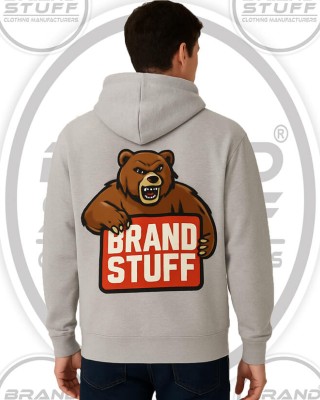
Large chest graphics, back prints, all-over prints, and bold brand marks.
Brands seeking pop color on dark hoodies.
Typical costs & lead times (estimates):
MOQ: Often 30 pieces depending on supplier.
Lead time: 15–28 business days (depends on volume and curing time).
Cost per unit: Low for large runs; higher for small runs due to setup fees.
Embroidery for Hoodies (Overview):
What is embroidery?
Embroidery stitches thread into fabric to create texture and dimensional logos. Modern machines can do complex multi-color designs with precise digitization.
Pros of embroidery:
Premium look & feel: Adds texture, depth, and perceived value.
Durability: Stitching lasts a long time and often wears better than heavy printed inks.
Minimal hand-feel impact: Unlike thick screen print, embroidery sits in the garment and looks premium.
Ideal for caps, chest, and sleeve logos: Excellent for badges, monograms, and varsity looks.
Cons of embroidery:
Not ideal for tiny details or gradients: Very small text or photorealistic images don’t translate well.
Higher per-unit cost: Slower production and thread cost increase unit price for small-to-medium runs.
Fabric puckering: On thin hoodies or delicate blends, embroidery can pull the fabric if not stabilized properly.
Size limits: Very large embroidered back panels can be costly and heavy.
Best Use Cases For Embroidery:
Premium streetwear and corporate outerwear.
Chest and sleeve logos, badges, and chenille patches.
Low-to-medium volume orders where perceived value matters.
Typical costs & lead times (estimates):
MOQ: Often 30 pieces (depends on digitization and supplier).
Lead time: 15-28 business days depending on quantity & complexity.
Cost per unit: Higher than screen printing for small runs, but competitive for mid-sized work with simple logos.
Direct Comparisons, Which to pick?
Price & Volume:
For large retail runs (200+ units): Screen printing is usually cheaper per unit.
For small premium runs (30–100 units): Embroidery can be competitive and adds perceived value.
Look & Brand Positioning:
Choose embroidery if you want a premium, textured finish (e.g., heritage varsity, corporate).
Choose screen printing for bold, colorful graphics and streetwear-style artwork.
Durability & Care:
Embroidery typically ages better; screen print can crack over time if low-quality inks are used. Use proper washing instructions: cold wash, inside out, avoid tumble drying heavy heat.
Design constraints:
Screen printing: Great for halftones, big shapes, and special inks.
Embroidery: Best for simple, blocky logos, text, and badges.
Advanced & Hybrid Options (2025 trends)
Hybrid techniques:
Screen + embroidery: Use screen printing for big graphics and embroidery for small premium logos (chest or sleeve).
Appliqué & chenille patches: Combine sewn patches with embroidery for varsity-style pieces.
DTG + embroidery: Digital direct-to-garment (DTG) for photorealistic prints paired with embroidered crest details.
Sustainability & innovations:
Water-based & biodegradable inks are now common in screen printing to reduce environmental impact.
Recycled polyester threads and organic fabric stabilizers are becoming available for embroidery.
Automation & digital proofing: Faster turnaround and more accurate mockups via on-demand digital previews.
For sustainability best practices, check guides from textile trade groups and major suppliers (for example, Printful’s printing guide or Stahls’ embroidery resources).
Production checklist: What to ask your manufacturer?
Minimum order quantity (MOQ) for each decoration method.
Artwork requirements: Vector for screen printing (AI / EPS), digitized embroidery files (DST / PES).
Color matching & Pantone options.
Proofs & samples: Hard sample vs. digital mockup. Ask for pre-production sample.
Durability tests: Wash tests, colorfastness, stitch density.
Turnaround & shipping: Lead times and DDP shipping options.
Sustainability certifications or eco-options for inks and threads.
See our production services and sample policy for how we handle pre-production approvals.
How to choose (step-by-step):
Step 1 Define your brand goal
Premium or mass-market? Statement tee or subtle brand mark?
Step 2 Choose by design:
Photorealism/gradients → DTG/special screen techniques.
Texture & heritage vibe → embroidery/chenille patches.
Step 3 Estimate volume & budget
Small run? Consider embroidery or hybrid. Large run? Screen print likely wins.
Step 4 Order samples:
Always order one of each decoration type and perform a wash test.
Case studies (short examples):
Streetwear brand launch (1000 hoodies): Chose screen printing for colorful back art + embroidered chest patch for premium branding. Result: lower unit cost and strong perceived value.
Boutique apparel label (50 hoodies): Picked all-over embroidery badges on select pieces to sell as premium limited drops. Result: higher margins and collector interest.
Costs: Quick reference table (example estimates):
The following are example ranges, final quotes depend on design complexity and supplier.
Screen printing: Setup $20–$150 per color; per unit $2–$10 (large runs cheaper).
Embroidery: Digitization $15–$60 one-time; per unit $2–$12 depending on stitch count and colors.
FAQs:
Can I mix screen printing and embroidery on one hoodie?
Yes. Many brands combine a large screen-printed back design with an embroidered chest logo or label for contrast and texture.
Will embroidery cause my hoodie to pucker?
If the fabric is lightweight, embroidery can cause puckering. Ask your manufacturer about stabilizers and test samples on the exact hoodie fabric (fleece, loopback, heavy cotton).
Which is more sustainable, screen printing or embroidery?
Both have sustainable options. Screen printing using water-based inks reduces chemical waste; embroidery can use recycled polyester thread. Ask your supplier about certifications and waste handling.
What file types do I need for each method?
Screen printing: Vector artwork (AI, EPS, PDF) with Pantone colors.
Embroidery: High-resolution artwork for digitizing; final machine file typically DST, PES, the manufacturer usually does digitization for a fee.
Can I print on dark hoodies?
Yes, screen printing can use an underbase white or water-based inks specially formulated for darks. Embroidery isn’t affected by fabric color.
Recommended external resources & further reading
Printful: Screen printing & embroidery guides: https://www.printful.com
Stahls’ CAD-CUT & embroidery resources: https://www.stahls.com
Textile Exchange (sustainability guides): https://textileexchange.org
Final recommendation:
If you need vibrant, large designs at scale, go screen printing.
If you want a premium, tactile brand mark, choose embroidery.
For best results: order samples, consider hybrid approaches, and always test wash & wear.
Call to Action (CTA):
Ready to produce your custom hoodies?
We offer both full-service screen printing and professional embroidery for small to large runs. Get a free production quote and mockup today:
Request a quote: contact
See hoodie options & fabrics: products/hoodies
Order a pre-production sample: sample-policy Or email our production team at info@brand-stuff.com to discuss artwork, MOQs, and lead times.






-170x170w.jpeg)
-170x170w.jpeg)
-170x170h.jpeg)
-170x170h.jpeg)
-170x170w.jpeg)
-170x170w.jpeg)
-170x170w.jpeg)
-170x170w.jpeg)


Leave a Comment